Oil-to-Gas Conversion: What Actually Happens During the Switch
An oil-to-gas conversion touches more of the house than most homeowners expect. Here's what the process actually involves, start to finish.
August 30, 2026 · 3 min read
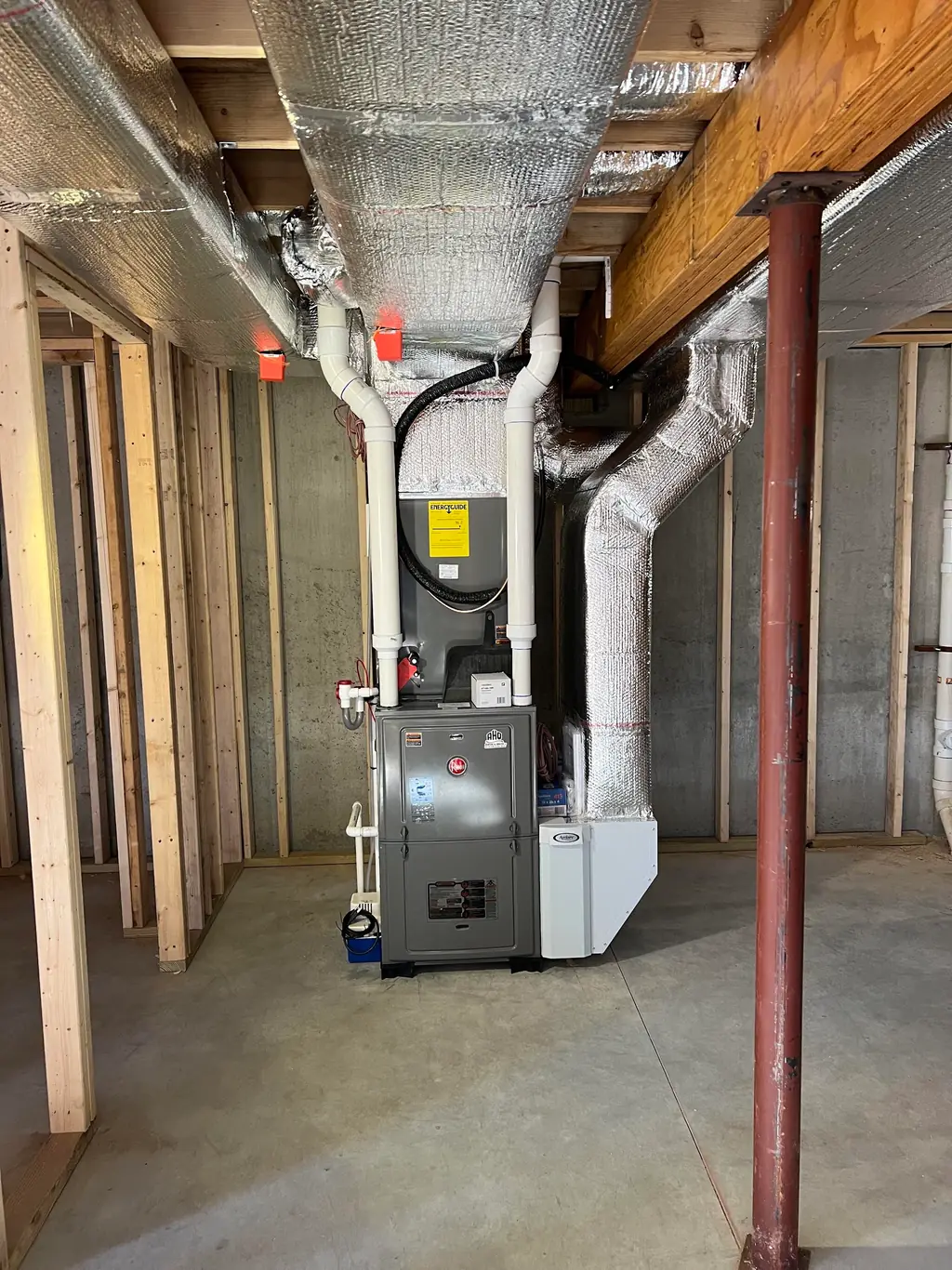
A lot of South Jersey homes built before the 1980s still heat with oil, and every year more of those homeowners look at converting to natural gas, usually after a cold-weather breakdown, a rising oil delivery bill, or a gas line that finally reached the street. The conversion is a bigger project than replacing a furnace like-for-like, because oil and gas systems handle combustion, venting, and fuel delivery differently. Here is what the process actually involves.
Step one: confirming gas is actually available
Before anything else, the job depends on whether a gas main already runs to the property and whether the utility needs to run a new service line to the house. In towns with older gas infrastructure this is often already in place; in some newer developments or more rural stretches of South Jersey, the utility may need to extend service, which affects both timeline and scope. This is always the first call to make before scheping the mechanical side of the job.
Step two: decommissioning the oil tank and equipment
An oil tank, whether above ground in a basement or buried in the yard, has to be properly decommissioned once it's no longer in service. An above-ground tank is typically drained, cleaned, and removed. A buried tank involves its own process, since an abandoned underground tank can become an environmental liability if it's left in place without documentation. The old oil burner, oil lines, and any oil-specific venting also come out as part of this step, not left behind as unused clutter in the mechanical room.
Step three: venting changes for a gas appliance
This is the part of a conversion that surprises the most homeowners. Oil furnaces and boilers vent through a masonry chimney or a metal flue designed for oil combustion byproducts. Many gas furnaces, especially higher-efficiency models, vent through PVC pipe run directly to an exterior wall rather than up an old chimney. That means the venting plan has to be worked out specifically for the gas equipment being installed, not assumed to reuse whatever venting the oil system left behind.
Step four: sizing and installing the new gas equipment
- Load calculation for the house, a gas furnace should be sized to the home's actual heat loss, not matched to the old oil unit's tonnage by habit.
- Gas line run and pressure testing from the meter or existing gas service to the new appliance location.
- Thermostat and control wiring updated to match the new equipment's ignition and staging system.
- Condensate drainage for high-efficiency gas furnaces, which produce condensate that oil systems never did.
What to ask before signing off on a conversion quote
A conversion quote should clearly separate tank decommissioning, gas line work, venting changes, and the furnace or boiler installation itself, not bundle everything into a single line item that makes it hard to see what's actually being done. It should also account for whether the utility needs to be involved for a new service line, since that step is outside the HVAC contractor's control but affects the project timeline directly.
A&S Cooling scopes and quotes oil-to-gas conversions across South Jersey before any demolition starts, specifically so a homeowner sees the tank removal, venting, and installation as separate, honest line items rather than one number that hides what's actually happening in the mechanical room. Financing through GoodLeap and Wisetack is available for homeowners who want the conversion handled without draining savings on a single winter emergency.
A&S Cooling Mechanical Contractors, (856) 312-8499
Call (856) 312-8499More articles
Why Your AC Still Fails With a Clean-Looking Filter
A filter that looks clean to the eye can still be restricting enough airflow to run a compressor into failure. Here's what's actually happening inside the duct.
Commercial Rooftop Unit Maintenance: What a Contract Actually Covers
A rooftop unit failing mid-shift is rarely a surprise to the technician who's been skipping the same three checks for a year. Here's what a real PM visit covers.